메트로人 머니 산업 IT·과학 정치&정책 생활경제 사회 에듀&JOB 기획연재 오피니언 라이프 CEO와칭 플러스
글로벌 메트로신문
로그인
회원가입

    머니

  • 증권
  • 은행
  • 보험
  • 카드
  • 부동산
  • 경제일반

    산업

  • 재계
  • 자동차
  • 전기전자
  • 물류항공
  • 산업일반

    IT·과학

  • 인터넷
  • 게임
  • 방송통신
  • IT·과학일반

    사회

  • 지방행정
  • 국제
  • 사회일반

    플러스

  • 한줄뉴스
  • 포토
  • 영상
  • 운세/사주
기사사진
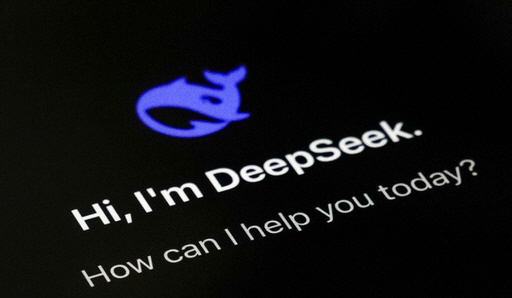
외교·산업·국방부, '딥시크 접속 차단'… 카카오도 '금지령

중국 인공지능(AI) 스타트업 딥시크(Deepseek)가 개인정보를 과도하게 수집한다는 논란이 확산하면서 국내 정부 부처와 기업들이 이용 제한 조치를 강화하고 있다. 5일 산업통상자원부와 외교부는 정보 유출 우려를 이유로 딥시크 접속을 차단했다. 두 부처는 외교·통상 분야의 민감한 기밀 정보를 다루는 만큼, 정부 차원의 보안 우려가 반영된 조치로 풀이된다. 앞서 행정안전부는 중앙부처 및 17개 광역자치단체에 생성형 AI 사용 시 개인정보 입력을 자제하고, AI가 생성한 결과물을 무조건 신뢰하지 말라는 내용의 주의 공문을 발송한 바 있다. 다만, 특정 서비스인 딥시크 사용 제한을 명시하지는 않았다. 딥시크는 최근 챗GPT-4에 근접한 성능을 제공하는 AI 추론 모델 'R1'을 공개하며 주목받았다. 저렴한 개발 비용 대비 뛰어난 성능으로 AI 업계의 '스푸트니크 모멘트'라는 평가까지 받았지만, 개인정보 유출 가능성이 제기되면서 각국 정부와 기업들이 대응에 나서고 있다. 특히 딥시크의 개인정보 보호 약관에는 사용자 데이터를 중국 내 서버에 저장하며, 관련 분쟁 시 중국 법률이 적용된다는 조항이 포함돼 있다. 이러한 사실이 알려지면서 글로벌 기업과 정부 기관들이 보안상의 이유로 딥시크의 AI 모델 R1과 애플리케이션 프로그래밍 인터페이스(API) 사용을 차단하고 있는 것이다. 미국 정부 기관과 의회는 이미 딥시크 사용을 전면 금지했으며, 이탈리아 데이터보호위원회와 프랑스 개인정보보호위원회(CNIL)도 딥시크의 개인정보 처리 방식에 대한 공식 질의를 보냈다. 정부뿐 아니라 국내 주요 기업들도 딥시크 사용 제한에 나섰다. 카카오는 이날 사내 공지를 통해 "사내 업무 목적으로 딥시크 사용을 지양한다"라고 밝혔다. 딥시크의 AI 모델의 보안성과 안정성이 충분히 검증되지 않은 만큼, 내부 정보 유출 가능성을 차단하려는 조치다. LG유플러스 역시 정보보안 공지를 통해 사내에서 딥시크 사용을 금지했다. 삼성전자, SK, LG전자 등 주요 IT 기업들은 자체 생성형 AI를 개발해 활용하고 있으며, 내부 보안 정책에 따라 외부 AI 서비스를 허가 없이 사용할 수 없도록 운영 중이다. /이혜민기자 hyem@metroseoul.co.kr

2025-02-05 22:35:32 이혜민 기자
기사사진
한국통신학회, 차세대 통신 핵심기술 'O-RAN' 토론회 개최

한국통신학회(KICS)가 미래 통신네트워크를 선도할 기술인 개방형 무선접속네트워크(Open Radio Access Network, O-RAN)에 대한 전략에 대해 논의한다. 5일 한국통신학회는 이날부터 7일까지 강원도 평창(용평리조트)에서 개최되는 동계종합학술발표회에서 O-RAN 기술의 현황과 전략에 대한 산.학.연.정이 패널 토의를 진행한다고 밝혔다. 이번 패널토의에는 백용순 소장(ETRI)의 주제발표와 최완 교수(서울대)의 진행으로 정재훈 과장(과기정통부), 이인규 교수(고려대), 최성호 PM(IITP), 장경희 교수(인하대, 6G포럼), 김동구 교수(연세대, ORIA), 류탁기 부사장(SK텔레콤), 김대중 본부장(TTA) 등이 토론자로 참여한다. O-RAN은 서로 다른 제조사가 만든 기지국 장비를 상호 연동하여 사용할 수 있도록 하는 기술이다. 모듈형 개방형 구조로 인공지능(AI)와의 결합을 통해서 자원 최적화, 에너지 효율성, 장애관리 등의 기능을 향상시키는 역할을 할 수 있는 솔루션이며, 현재의 5G와 6G를 비롯한 미래통신시장에 큰 변화를 가져올 기술로 평가되고 있다. 한국통신학회는 1974년에 설립되어 올해로 51년째 된 전통있는 학회로 대한민국 ICT분야를 선도하는 학회로 알려져 있다. 한편, O-RAN 특별세션은 이날 15시부터 진행됐다. 행사정보 및 등록은 한국통신학회 홈페이지에서 확인할 수 있다. /구남영기자 koogija_tea@metroseoul.co.kr

2025-02-05 17:27:56 구남영 기자
기사사진
내란 국조특위, 구치소 청문회 '무산'…윤석열·김용현 불참에 "고발"

국회 윤석열 정부의 비상계엄 선포를 통한 내란 혐의 진상규명 국정조사 특별위원회가 5일 구치소 현장을 찾아 진행하려 했던 청문회가 윤석열 대통령, 김용현 전 국방부 장관 등 증인들의 불참으로 무산됐다. 내란 국조특위는 불출석한 증인들을 고발 조치할 방침이다. 야당 소속 내란 국조특위 위원들은 이날 윤 대통령이 수감된 서울구치소와 김 전 장관이 수감된 서울동부구치소를 차례로 방문했다. 하지만, 윤 대통령과 김 전 장관, 여인형 전 방첩사령관 등은 청문회에 모습을 보이지 않았다. 증인들은 재판 준비, 변호인 접견 등을 이유로 청문회에 불참한 것으로 알려졌다. 이후, 내란 국조특위 위원들은 성명을 내고 "최소한의 양심과 책임감도 내팽개친 윤석열과 그 추종 세력에게 깊은 유감을 표하지 않을 수 없다"고 밝혔다. 이들은 "위원들은 구치소에 대기하며 오랜 시간 기다렸고, 교도관을 통해 의사를 타진하면서 증인들에 현장 조사 협조를 요구했다"며 "소수 인원의 장소변경조사를 제안했지만 이들은 끝까지 거부했다"고 전했다. 이어 "윤석열과 김용현은 공직자로서, 내란 주동자로서 국민 앞에 증언할 의무와 책임이 있다"며 "내일(6일) 3차 청문회가 예정돼 있는데 만시지탄이지만 지금이라도 청문회에 출석해서 국민 앞에 서길 호소드린다"고 덧붙였다. 내란 국조특위는 청문회에 불출석한 증인들을 국회 모욕죄로 고발할 방침이다. 더불어민주당 소속 안규백 특위 위원장은 "국민 여론과 국회를 무시하는 무례한 증인 태도에 깊은 유감을 표하지 않을 수 없다"며 "청문회의 동행 명령을 거부하고, 출석하지 않는 증인에 간사 협의를 거쳐 고발 조치하겠다"고 밝혔다.

2025-02-05 16:56:43 원승일 기자
기사사진
KBS 6시 내 고향 충북 영동군 편에서 '국민 안내양' 김정연 울린 애절한 편지

비맘 4일 방송된 8215회 KBS '6시 내 고향-시골길 따라 인생길 따라'의 충북 영동군 편에서 '국민 안내양'으로 불리는 가수 김정연이 만난 박희식(75세) 어르신의 애틋하고 절절한 사연이 시청자의 마음도 녹였다. 5일 제작사 측에 따르면 국민 안내양 손을 이끌고 박희식 어르신이 도착한 곳은 영동읍 읍사무소 민원실이었다. 컴퓨터 수업 시간과 버스 배차 시간이 맞지 않아 항상 1시간 일찍 읍사무소에 도착해 타자 연습한다는 박희식 어르신은 "먼저 하늘나라에 간 남편에게 편지를 쓰기 위해 컴퓨터를 배운다"는 사연을 털어놓았다. "갑자기 당한 교통사고로 남편이 떠나고 나자 함께 살 때는 몰랐던 남편의 소중함이 뼈에 사무친다며 편지를 쓸 수 있을 때까지 열심히 컴퓨터 연습하겠다"는 말에 김정연은 대신 사연을 전해드리겠다며 어르신이 불러주는 대로 노트북 자판을 한 글자 한 글자 눌렀다. 좋은 추억만 남겨놓고 떠난 남편이 보고 싶어 잠을 못 이룬다며 눈물을 훔치는 어르신을 보고 김정연도 눈시울이 붉어졌다. 김정연은 "어르신 사연이 제 노래 '이별후애(愛)' 같다. 사랑하는 사람을 떠난 보낸 후에 남은 그리움은 아파서 더 힘이 될 수 있다. 어르신이 그리움을 붙잡고 건강하게 여생을 보내시길 바란다"고 말했다. 한편, 4일 방송된 충북 영동군 편 시골 버스에선 발 디딜 틈이 없을 정도로 승객들이 많아 제작진이 미처 탑승하지 못하는 바람에 국민 안내양이 직접 카메라를 들고 방송하는 초유의 사태가 벌어졌다. 제작사 측은 1년에 4만8000㎞, 1주일에 약 1000㎞ 정도를 차에서 보내며 매주 정겨운 농촌 풍경과 '사람 사는 이야기'를 여과 없이 안방에 전달하는 시골 버스의 힘은 국민 안내양 가수 김정연의 경청과 공감에서 나온다고 설명했다.

2025-02-05 16:54:11 윤휘종 기자
기사사진
"The Era of Speaking AI"…Voice AI Gaining Attention Again…Why?

As artificial intelligence (AI) technology evolves from text-based to multimodal environments, voice AI is gaining renewed attention. Major information technology (IT) companies such as Apple, Naver, and Kakao are enhancing their voice AI technology and expanding its applications beyond smartphones to include vehicles, home appliances, and media platforms. Multimodal refers to the integration of various AIs, including text, images, and voice, for a more comprehensive and interactive user experience. According to market research firm Mordor Intelligence on the 5th, the global voice AI market is expected to grow nearly threefold, from 20 trillion KRW in 2024 to 56 trillion KRW by 2029. Gartner analyzed, "As voice recognition and natural conversation capabilities are integrated, user experience has significantly improved, leading to a sharp increase in demand." ◆ 'Open-source vs Closed-system'... The Battle for Dominance in Voice AI Intensifies As the voice AI market rapidly grows, the competition for technological dominance is intensifying. Currently, the AI industry is divided into two paradigms. One is the open-source AI camp. Companies like Meta, Mozilla, Qtai, and Coqui are accelerating the spread of technology by releasing their AI voice technologies as open-source. Meta is strengthening its open-source technology through "MMS," which can recognize and generate over 4,000 languages. MMS can learn from data without the need for labeled training tags. The AI research institute "Qtai," often referred to as France's OpenAI, recently unveiled a voice AI called "Moshi." Moshi operates without an internet connection and generates speech in just 0.2 seconds. In contrast, big tech companies like OpenAI, Google, and Apple continue to maintain closed models, building their own independent ecosystems. Google launched its voice AI "Gemini 2.0" in December last year, which enhances multimodal capabilities. It is optimized for mobile environments, including smartphones, and offers 10 different voices, allowing users to choose the tone and style. OpenAI also released the "Voice Mode" for ChatGPT in December, which improved the use of 50 languages, including Korean and Japanese. It features voice speed control and speaker emotion recognition, enabling more natural conversations. ◆ Naver, Kakao, and Other Domestic Companies Also Busy Strengthening Features Apple also plans to integrate ChatGPT into its voice AI, Siri. Beta testing is underway, and some features are expected to be officially launched in 2025. This integration is expected to provide a more natural and sophisticated voice interface across HomePod, iPhone, and macOS. An industry insider commented, "While open-source models increase technological accessibility and spread quickly, closed models focus on delivering powerful performance and differentiated features." He added, "Each has its strengths, and the choice will depend on the preferences of companies and consumers." In particular, China's AI startup Deepseek is emerging as a key player expanding the open-source AI ecosystem. Earlier this year, Deepseek released the AI inference model "R1" along with its voice AI "Deepseek Voice." It can process both text and voice simultaneously and operate without an internet connection, making it highly applicable to various devices such as smartphones, in-car AI systems, and smart homes. Domestic companies are also moving quickly in the voice AI market. Naver is enhancing its capabilities by adding new features, such as an information search assistant, to its AI chatbot "Clova X." Kakao is developing the AI voice assistant "Kanana," which is scheduled for release in the first half of this year. Kanana will be available in two versions: the personal AI "Nana" and the group-chat AI "Kana." Nana will engage in one-on-one conversations and offer personalized responses by remembering group chat content, while Kana will specialize in group chats, providing features such as quiz creation, answer scoring, and summaries. Additionally, Kakao's "Kakao i" voice assistant is currently integrated with KakaoT, shopping, and banking services. ChatGPT를 사용하여 번역한 기사입니다.

2025-02-05 16:43:17 메트로신문 기자
기사사진
Industry anticipates fierce management disputes ahead of next month's shareholder meetings.

As the season for regular shareholder meetings of December closing companies approaches, the battle for control between competing companies is intensifying. In particular, disputes over corporate control among publicly listed companies are increasing, and the nature of these conflicts is becoming more intense. In addition to the ongoing management dispute between Korea Zinc and Youngpoong, which marks the end of a decades-long partnership, some companies are expected to engage in even fiercer shareholder battles over management control, with key business decisions likely to be contested. According to industry sources on the 5th, the most attention-grabbing corporate control battle during this year’s shareholder meeting season is between Korea Zinc and its competitors. The management struggle for the world’s top non-ferrous metals company has been full of twists, with Chairman Choi Yun-beom of Korea Zinc facing off against Youngpoong and MBK in an ongoing conflict. The movements of Daemyung Sonogroup and Yerimdang regarding the management rights of T’way Air are also noteworthy. Daemyung Sonogroup became the second-largest shareholder of T’way Air by purchasing shares held by JKL Partners since July last year. The gap in shareholding with the largest shareholder, Yerimdang, is only 3.3 percentage points. In 2025, Daemyung Sonogroup is expected to intensify its efforts to secure management control, increasing pressure significantly. As the management dispute between the siblings of Ourhome, the second-largest foodservice company in South Korea, intensifies, Kim Dong-sun, the third son of the Hanwha Group, and the vice president of Hanwha Galleria and Hanwha Hotels & Resorts, has entered the race to acquire management control. Hanwha, which sold its foodservice and food ingredients division, Foodist, to a private equity fund in 2020, is re-entering the foodservice market because it is considered a lucrative industry. The significant increase in management disputes is due to several factors, including the dilution of ownership stakes after the second-generation leadership, the growing presence of private equity funds, the rise in individual shareholders, and the increase in activist funds. In terms of actual shareholding, the Youngpoong-MBK alliance holds 40.97%, while Chairman Choi's side, including friendly shares, holds 34.35%, giving the Youngpoong-MBK alliance a higher stake. The fundamental issue is that the ownership stake of the controlling owner is weak, which means that whenever the "partnership spirit" is shaken, disputes can arise at any time. The situation is further complicated as private equity funds with significant capital have entered the management control dispute, shifting the dynamics. In South Korea, as ownership control has shifted from family-owned management to private equity funds, companies have faced confusion not only over their management philosophy but also over their identity. Private equity funds typically operate on a 5-year investment cycle, aiming to return profits and invested capital to their investors. As a result, they tend to focus on short-term profit expansion through workforce restructuring and asset sales. MBK promised in 2023 that it would "hold ING Life for over 10 years to stabilize employment" after acquiring the company. However, less than a year later, MBK carried out large-scale workforce reductions and sold the company after making a 2 trillion KRW profit in just five years. Similarly, when MBK acquired Homeplus in 2015, it had promised to invest 1 trillion KRW, but instead carried out store closures and workforce restructuring. Some companies have experienced the "curse of victory" after going through management disputes. In the competition for the acquisition of SM Entertainment in 2023, Kakao emerged victorious over HYBE. However, Kakao suffered significant damage during the process, including the arrest and indictment of founder Kim Beom-su. In the case of Korea & Company (Hankook Tire), which underwent a sibling management dispute last year with MBK's involvement, investors also faced losses. The stock price, which had typically ranged around 13,000 to 14,000 KRW, soared to around 22,000 KRW, but after a failed public tender offer, the price dropped back to around 15,000 KRW. It is reported that individual investors incurred substantial losses during this time. Hanjin Group also went through a management dispute, but the current management ultimately triumphed. However, during the dispute process, important decisions, such as future investments, were delayed, leading to growing pains for the company. ChatGPT를 사용하여 번역한 기사입니다.

2025-02-05 16:38:26 메트로신문 기자
기사사진
"1 million KRW each?" The automotive industry drastically lowers electric vehicle prices... A bold move as the EV chasm persists.

Global automakers are launching various promotions in line with the South Korean government's electric vehicle (EV) support policies. As the electric vehicle market faces a prolonged "EV chasm" (temporary demand stagnation) due to issues such as charging infrastructure and price burdens, automakers are focusing on aggressive pricing strategies to secure a dominant position in the eco-friendly vehicle market. According to the automotive industry on February 5, Hyundai and Kia are running promotions offering additional discounts on their EV models. Hyundai’s promotion offers additional discounts ranging from 3 million to 5 million KRW on nine electric vehicle models, combining basic vehicle price reductions with monthly inventory discounts. Genesis offers a 3 million KRW discount on the GV60 and a 5% price reduction on the G80 electric model. In Seoul, applying these maximum purchase benefits, the following models see significant price reductions: ▲The Ioniq 5 2WD Long Range 19-inch Built-in Cam (non-applicable model) drops from 54.1 million KRW to 44.38 million KRW. ▲The Ioniq 6 2WD Standard 18-inch model drops from 46.95 million KRW to 37.81 million KRW. ▲The Kona Electric 2WD Standard 17-inch model drops from 41.42 million KRW to 31.52 million KRW. Kia is also offering manufacturer discounts through its "EV Festa" campaign: ▲2 million KRW off the Niro EV ▲1.5 million KRW off the EV6 ▲2.5 million KRW off the EV9 ▲3.5 million KRW off the Bongo EV Additionally, there are extra discounts for last year’s production models, with benefits ranging from 3.5 million to 5 million KRW depending on the vehicle. In Seoul, the prices for certain models drop as follows: ▲The EV6 2WD 19-inch Long Range trim goes from 50.6 million KRW to 40.58 million KRW ▲The EV9 2WD 19-inch Air trim drops from 73.37 million KRW to 65.6 million KRW ▲The Niro EV Air trim drops from 48.55 million KRW to 38.43 million KRW ▲The Bongo EV 1-ton 2WD Super Long King Cab Smart Selection trim drops from 43.15 million KRW to 24.5 million KRW KG Mobility (KGM) is also offering price discounts on electric vehicles. KGM is providing a 750,000 KRW discount on the electric SUV, the Torres EVX, bringing its actual purchase price down to around 39 million KRW. Additionally, for the taxi-exclusive models of the Torres EVX and the Korando EV, discounts of 1.5 million KRW and 1 million KRW, respectively, are being offered. The imported car industry is also focusing on expanding its market share in South Korea’s electric vehicle market. Volvo Car Korea launched its compact electric SUV, the EX30, on February 3, priced at just over 40 million KRW (after applying national and local government electric vehicle subsidies), which is one of the lowest prices globally. The company aims to attract initial sales by leveraging the new car effect and a maximum discount of 3.33 million KRW to enhance its price competitiveness. Stellantis Korea is taking proactive steps this month to reduce customers' burden by providing early electric vehicle subsidies, aiming to eliminate uncertainty surrounding EV purchases. Until the 28th, customers purchasing the Jeep Avenger or Peugeot e-2008 will receive both the expected national subsidy of 2.12 million KRW and 2.09 million KRW, respectively, along with additional local government subsidies based on their residence. Furthermore, by combining each brand's electric vehicle promotions with benefits such as free installation of a black box and Hi-Pass devices, the Jeep Avenger offers a minimum of 5.39 million KRW in benefits, and the Peugeot e-2008 offers a minimum of 7.86 million KRW. For customers in Gwangju, the city with the largest subsidy among metropolitan cities, the expected benefits for the Peugeot e-2008 and Jeep Avenger Altitude are 10.26 million KRW and 7.79 million KRW, respectively. BYD, a Chinese electric vehicle company that entered the domestic market earlier this year, has priced its compact electric SUV, the Atto 3, lower than in the Chinese market. The price of the Atto 3 ranges from 31.5 million KRW to 33.3 million KRW, and with the application of electric vehicle purchase subsidies, it is expected that the price could drop to the 20 million KRW range. If additional discounts are implemented in line with the South Korean government's policies, consumers' financial burdens would be significantly reduced. An automotive industry insider commented, "Automakers are expanding electric vehicle subsidy support in line with government policies," and expressed hope that proactive subsidy support would provide consumers with a wider range of choices. ChatGPT를 사용하여 번역한 기사입니다.

2025-02-05 16:32:26 메트로신문 기자
기사사진
전세계 R&D 투자 비중, 美·中 60% 넘기며 쏠림 심화

지난 10년 사이 세계 연구개발(R&D) 투자의 축이 미국과 중국으로 쏠리는 것으로 나타났다. 대한상공회의소는 5일 EU 공동연구센터가 12월 발표한 '2024년 R&D 투자 스코어보드' 2000대 기업 명단을 분석한 결과를 발표했다. 2023년 기준 세계 R&D 투자 상위 2000대 기업은 미국이 기업 수와 투자액에서 모두 1위를 차지했으나 2위 중국의 성장세가 급등하는 것으로 나타났다. 2013년부터 10년 간 2000대 기업에 추가 된 중국기업의 수는 405개 늘었고, 투자액은 11.5배 증가했다. 상위 10개국 중 10년간 기업수와 투자액이 계속 증가한 국가는 중국이 유일했다. 미국의 투자액 규모는 2013년 1910억유로로 전체의 36.1% 비중을 차지하던 것에서 2023년에는 5319억 유로로 42.3%로 크게 늘었다. 중국은 2013년 기업 수 119개로 4위, 투자액 188억 유로로 8위에서 2023년 기업 수 524개, 투자액 2158억 유로로 크게 늘었다. 미국과 중국의 쏠림 현상도 크게 나타났다. R&D투자 상위 2000대 기업에 포함된 미국(681개)과 중국(524개)의 기업 수는 1205개로 전체의 60.3%를 차지했고, R&D투자액의 합은 7477억 유로로 59.5%에 달했다. 우리나라는 기업 수는 14개 줄었지만 순위는 8위를 유지했다. /김서현기자 seoh@metroseoul.co.kr

2025-02-05 16:22:47 김서현 기자